 11
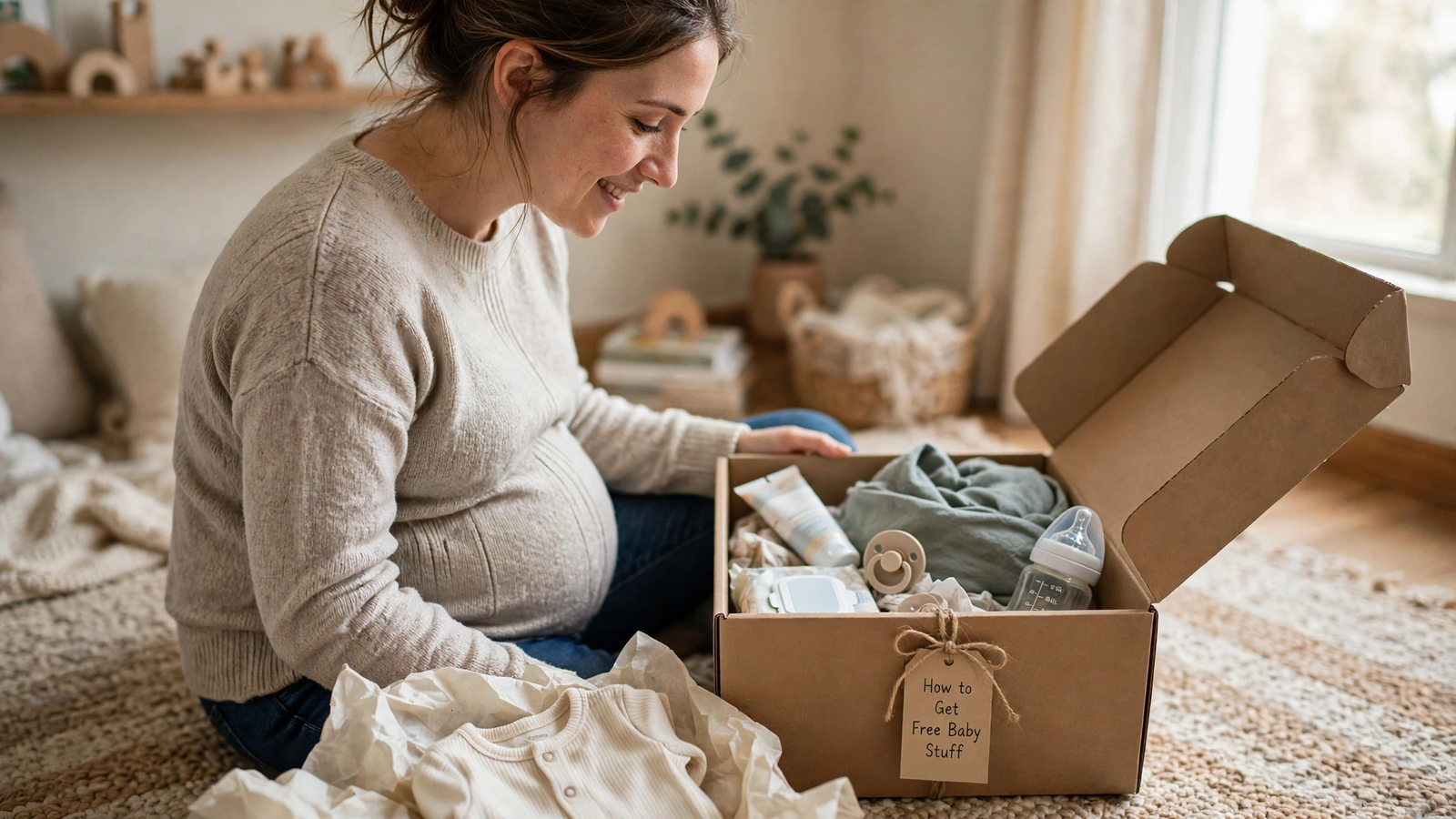
The fastest way to learn how to get free baby stuff is to open two or three store registries, enroll in WIC if you qualify, and contact a diaper bank. Add brand rewards, insurance-covered gear, and swap groups, and a family can collect hundreds of dollars in essentials free.
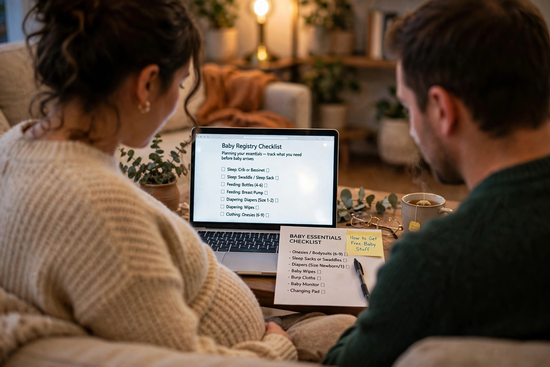
Registries come first because retailers trade free samples for your loyalty. Open more than one; each store sets its own gift rules.
Create a registry, join Target Circle, and accept the kit offer in the app. Call ahead, because guest services desks run out.
Babylist is an all-in-one registry that accepts products from every retailer. You unlock the box by finishing checklist steps, logging a qualifying Babylist Shop purchase, and paying shipping.
Amazon reserves its box for Prime members who add checklist items and reach a small purchase threshold. A pack of wipes bought through your own registry counts.
Registries discount whatever remains on your list as the due date nears. Hold big purchases for that window.
| Registry | Free gift and stated value | What you must do | Your out-of-pocket cost | Source |
| Target | Welcome kit worth over $100, plus a 15% completion discount | Create a registry and claim the offer through Target Circle. | $0 | Target, Baby Registry page |
| Babylist | Hello, Baby Box, valued at around $100 | Complete checklist steps and log a $30+ Babylist Shop registry purchase. | $8.95 shipping plus tax | Babylist Help Center and Hello Baby Box guide |
| Amazon | Welcome Box with full-size, travel, and sample items | Hold an active Prime account, add checklist items, and log over $10 in registry purchases. | Prime membership fee | Amazon Help, Baby Registry Welcome Box |
Read real unboxing reports before you buy anything to qualify. Parenting review blogs such as whatmomfound,post honest welcome box hauls, so you can see exactly what arrives and judge whether the box justifies the purchase.
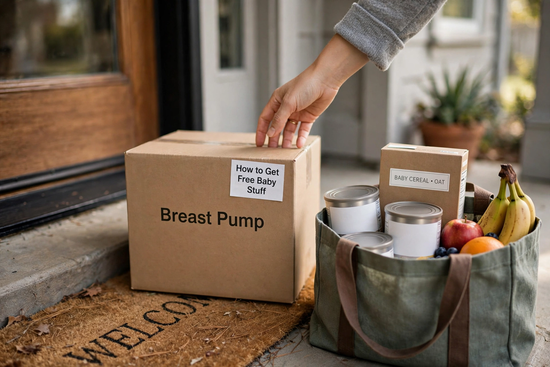
Yes, though federal programs skip cribs and strollers. They cover costly recurring items instead: formula, baby food, and some medical equipment.
WIC pays for infant formula, cereal, fruits, and vegetables for income-eligible families. Participation averaged 6.9 million women, infants, and children per month in fiscal year 2025, according to the USDA Economic Research Service’s Food and Nutrition Assistance Landscape report.
Approval and the first appointment can take a few weeks, so apply in your first trimester. Households on SNAP or Medicaid usually meet the income test automatically.
The Affordable Care Act requires most health plans to cover breastfeeding equipment. Call your insurer about a month before your due date and ask which medical supply company ships covered pumps.
Many local WIC agencies also loan or issue breast pumps to breastfeeding participants, which helps when your insurance plan covers only a basic manual model.
Hospitals, health departments, and Safe Kids coalitions run car seat programs for income-eligible parents, usually with an installation class. Some Medicaid plans list a car seat as a member benefit.
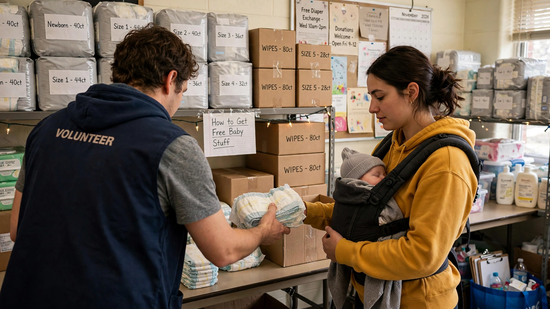
Diaper banks are the main free source, since neither SNAP nor WIC pays for diapers. Brand rewards and samples fill the gaps.
Nearly half (47%) of families with young children cannot afford enough diapers, according to the National Diaper Bank Network’s Diaper Check 2024. With demand that heavy, banks distribute through partner sites rather than walk-in warehouses.
Call 211, or ask your pediatrician’s front desk, WIC office, or food pantry which partner serves your ZIP code.
Ask about cloth diaper programs as well. Some diaper banks hand out reusable sets with washing instructions, which cuts the monthly refill problem entirely.
Pampers Club and Huggies Rewards turn codes inside each pack into points. Stick with one brand, then redeem for diapers, wipes, or gift cards.
Brand-sponsored blog contests add a bonus route. look what mom found giveawaysare an easy place to start, since many prizes are diaper and wipes bundles from the brands parents already use. Treat any win as a bonus, not part of your monthly diaper budget.
Similac and Enfamil mail free samples and coupons once you join their parent programs. Ask your maternity nurse for the unit’s take-home supply bag.
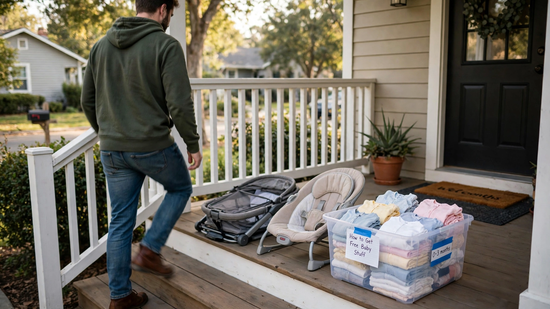
Neighbors give gear away constantly, because babies outgrow clothes and bouncers within months.
Stacking registries, rewards, and a diaper bank offsets several hundred dollars in year one. Spending money to qualify for “free” items is the biggest leak.
Take the table’s numbers. The Target kit and the Babylist box together list roughly $200 in value for a single shipping fee. Buy $800 of leftover registry items with Target’s completion discount, and you keep another $120, for about $320 in value before delivery day.
Diapers are the long-term drain. The Urban Institute’s analysis of 2024 survey data put typical diaper costs near $100 per child per month, while the median family could afford only $65.
That $35 monthly shortfall becomes $420 a year, the gap that rewards points and a diaper bank’s supplemental supply help close.
The common mistake: buying filler items just to hit a box’s purchase threshold. It happens because advertised box values look large, though samples make up much of them. Fix it. Register the wipes, bottles, and nipple cream you would buy anyway, and let a shower guest’s gift satisfy the threshold.
The second mistake: paying to claim a prize. Copycat pages sometimes borrow popular blog names, so always enter through the host’s official website. A legitimate contest never asks a winner for a shipping fee, a card number, or a bank login.
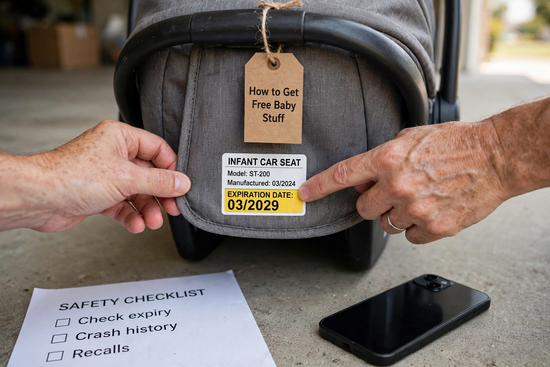
Free gear is not always safe gear. Refuse a secondhand car seat unless you know its crash history and its label shows it has not expired, and skip cribs with drop-side rails or missing hardware. Single-user breast pumps are not built for sharing, so get a new one through insurance, and check used items against federal recall listings before use.
Timing matters as much as the source, because several offers open or close around your due date.
Yes, WIC, diaper banks, rewards apps, and Buy Nothing groups need no registry. Registries simply add welcome boxes and discounts.
It is free for Prime members who meet the checklist and purchase rules. If you would join Prime only to get the box, the membership costs more than the box is worth.
You pay only shipping after a qualifying registry purchase. A guest’s order counts, so many parents claim the box after their shower.
Call 211, the free community resource line, and ask for diaper assistance. Pediatric offices and food pantries also know local distributors.
Many are, but legitimate giveaways never charge a fee or ask for bank details. Enter only on the host’s own website.
Learning how to get free baby stuff comes down to stacking sources, not chasing one big freebie. Registries cover the first wave, WIC and diaper banks cover recurring costs, and swap groups handle the gear your baby outgrows in weeks. Start early, and skip any “free” offer that costs more to qualify for than it gives back.